Category: Uncategorized

Cyber Security Starts Here

AI Agents: The Next Wave Identity Dark Matter – Powerful, Invisible, and Unmanaged

The Rise of MCPs in the Enterprise The Model Context Protocol (MCP) is quickly becoming a practical way to push LLMs from “chat” into real work. By providing structured access to applications, APIs, and data, MCP enables prompt-driven AI agents that can retrieve information, take action, and automate end-to-end business workflows across the enterprise. This…
Read more

Starkiller Phishing Suite Uses AitM Reverse Proxy to Bypass Multi-Factor Authentication

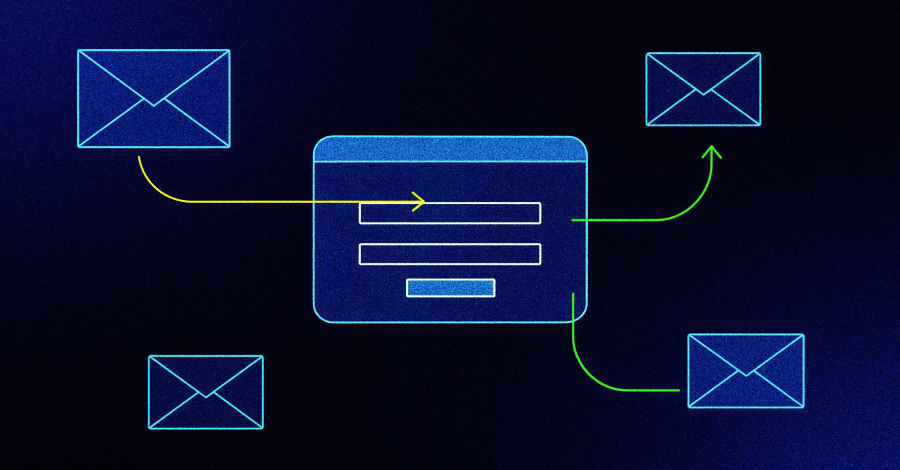
Cybersecurity researchers have disclosed details of a new phishing suite called Starkiller that proxies legitimate login pages to bypass multi-factor authentication (MFA) protections. It’s advertised as a cybercrime platform by a threat group calling itself Jinkusu, granting customers access to a dashboard that lets them select a brand to impersonate or enter a brand’s real…
Read more

Microsoft Warns OAuth Redirect Abuse Delivers Malware to Government Targets

Microsoft on Monday warned of phishing campaigns that employ phishing emails and OAuth URL redirection mechanisms to bypass conventional phishing defenses implemented in email and browsers. The activity, the company said, targets government and public-sector organizations with the end goal of redirecting victims to attacker-controlled infrastructure without stealing their tokens. It described

New Chrome Vulnerability Let Malicious Extensions Escalate Privileges via Gemini Panel

Cybersecurity researchers have disclosed details of a now-patched security flaw in Google Chrome that could have permitted attackers to escalate privileges and gain access to local files on the system. The vulnerability, tracked as CVE-2026-0628 (CVSS score: 8.8), has been described as a case of insufficient policy enforcement in the WebView tag. It was patched…
Read more

Google Develops Merkle Tree Certificates to Enable Quantum-Resistant HTTPS in Chrome

Google has announced a new program in its Chrome browser to ensure that HTTPS certificates are secure against the future risk posed by quantum computers. “To ensure the scalability and efficiency of the ecosystem, Chrome has no immediate plan to add traditional X.509 certificates containing post-quantum cryptography to the Chrome Root Store,” the Chrome Secure…
Read more

⚡ Weekly Recap: SD-WAN 0-Day, Critical CVEs, Telegram Probe, Smart TV Proxy SDK and More

This week is not about one big event. It shows where things are moving. Network systems, cloud setups, AI tools, and common apps are all being pushed in different ways. Small gaps in access control, exposed keys, and normal features are being used as entry points. The pattern becomes clear only when you see everything…
Read more

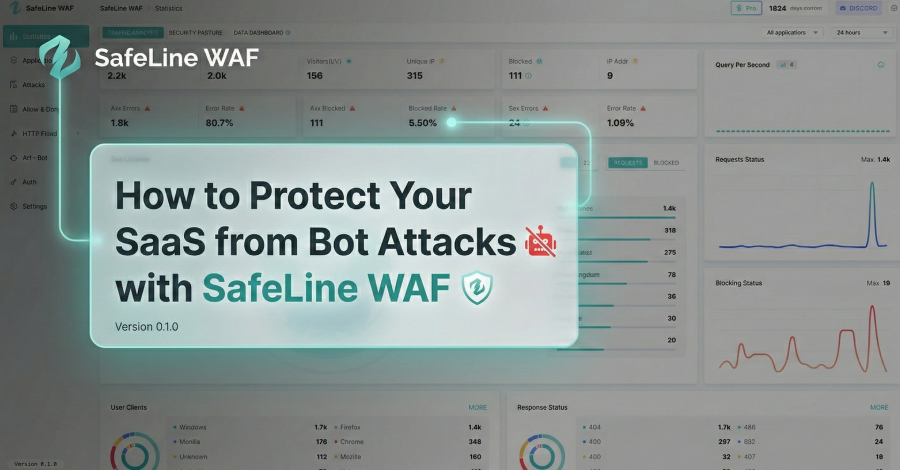
How to Protect Your SaaS from Bot Attacks with SafeLine WAF

Most SaaS teams remember the day their user traffic started growing fast. Few notice the day bots started targeting them. On paper, everything looks great: more sign-ups, more sessions, more API calls. But in reality, something feels off: Sign-ups increase, but users aren’t activating. Server costs rise faster than revenue. Logs are filled with repeated…
Read more

APT28 Tied to CVE-2026-21513 MSHTML 0-Day Exploited Before Feb 2026 Patch Tuesday

A recently disclosed security flaw patched by Microsoft may have been exploited by the Russia-linked state-sponsored threat actor known as APT28, according to new findings from Akamai. The vulnerability in question is CVE-2026-21513 (CVSS score: 8.8), a high-severity security feature bypass affecting the MSHTML Framework. “Protection mechanism failure in MSHTML Framework allows an unauthorized

ClawJacked Flaw Lets Malicious Sites Hijack Local OpenClaw AI Agents via WebSocket

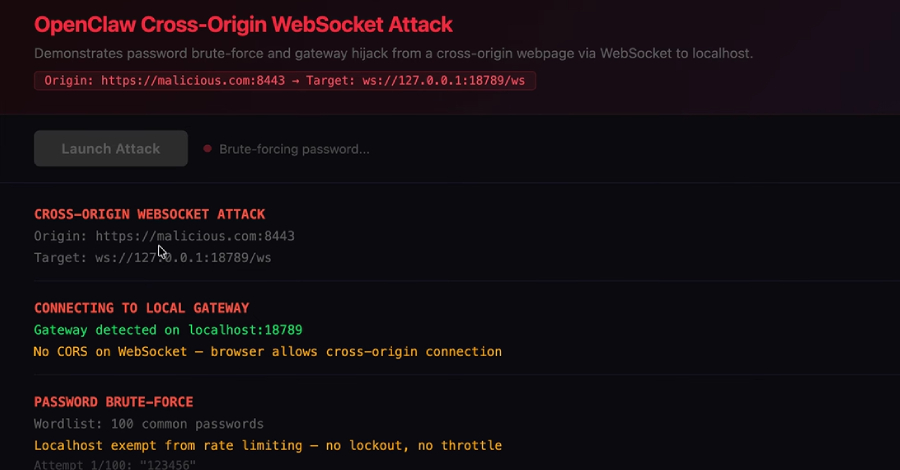
OpenClaw has fixed a high-severity security issue that, if successfully exploited, could have allowed a malicious website to connect to a locally running artificial intelligence (AI) agent and take over control. “Our vulnerability lives in the core system itself – no plugins, no marketplace, no user-installed extensions – just the bare OpenClaw gateway, running exactly…
Read more

Thousands of Public Google Cloud API Keys Exposed with Gemini Access After API Enablement

New research has found that Google Cloud API keys, typically designated as project identifiers for billing purposes, could be abused to authenticate to sensitive Gemini endpoints and access private data. The findings come from Truffle Security, which discovered nearly 3,000 Google API keys (identified by the prefix “AIza”) embedded in client-side code to provide Google-related…
Read more