Month: January 2026

Cyber Security Starts Here

The ROI Problem in Attack Surface Management

Attack Surface Management (ASM) tools promise reduced risk. What they usually deliver is more information.  Security teams deploy ASM, asset inventories grow, alerts start flowing, and dashboards fill up. There is visible activity and measurable output. But when leadership asks a simple question, “Is this reducing incidents?” the answer is often unclear.  This gap between…
Read more
Cybercriminals Abuse Google Cloud Email Feature in Multi-Stage Phishing Campaign

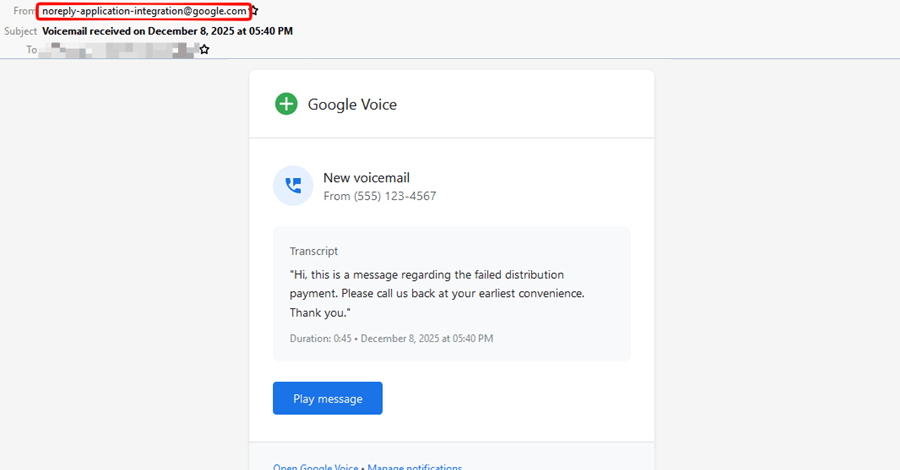
Cybersecurity researchers have disclosed details of a phishing campaign that involves the attackers impersonating legitimate Google-generated messages by abusing Google Cloud’s Application Integration service to distribute emails. The activity, Check Point said, takes advantage of the trust associated with Google Cloud infrastructure to send the messages from a legitimate email address (“

ThreatsDay Bulletin: GhostAd Drain, macOS Attacks, Proxy Botnets, Cloud Exploits, and 12+ Stories

The first ThreatsDay Bulletin of 2026 lands on a day that already feels symbolic — new year, new breaches, new tricks. If the past twelve months taught defenders anything, it’s that threat actors don’t pause for holidays or resolutions. They just evolve faster. This week’s round-up shows how subtle shifts in behavior, from code tweaks…
Read more

RondoDox Botnet Exploits Critical React2Shell Flaw to Hijack IoT Devices and Web Servers

Cybersecurity researchers have disclosed details of a persistent nine-month-long campaign that has targeted Internet of Things (IoT) devices and web applications to enroll them into a botnet known as RondoDox. As of December 2025, the activity has been observed leveraging the recently disclosed React2Shell (CVE-2025-55182, CVSS score: 10.0) flaw as an initial access vector, CloudSEK…
Read more

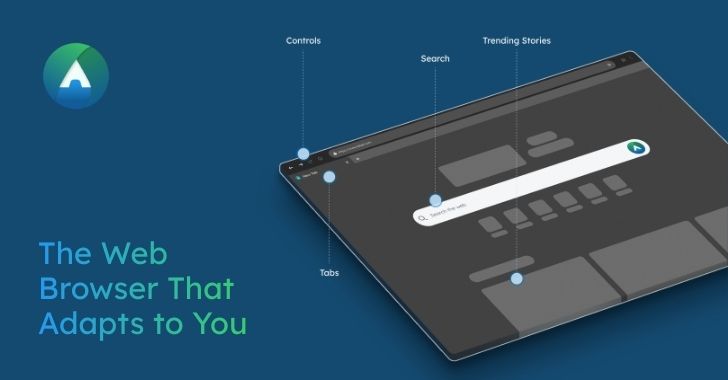
How To Browse Faster and Get More Done Using Adapt Browser

As web browsers evolve into all-purpose platforms, performance and productivity often suffer.  Feature overload, excessive background processes, and fragmented workflows can slow down browsing sessions and introduce unnecessary friction, especially for users who rely on the browser as a primary work environment. This article explores how adopting a lightweight, task-focused browser, like